

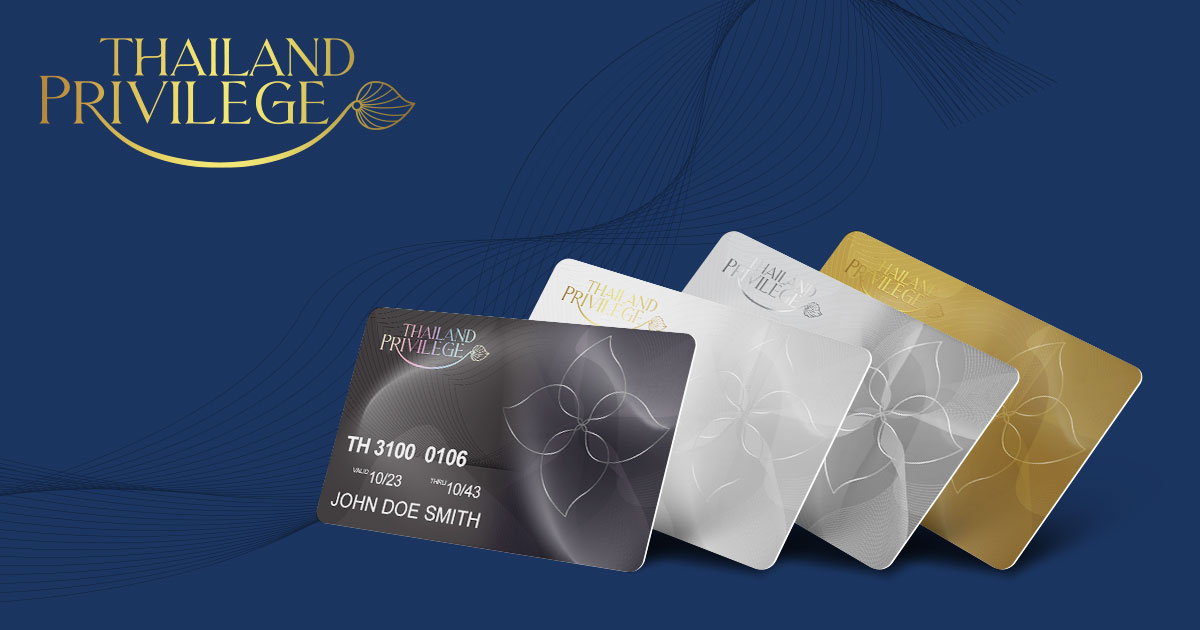
Thailand Privilege Visa. Thailand has increasingly positioned itself as a preferred destination for retirees, international entrepreneurs, remote business owners, affluent travelers, and foreign residents seeking a long-term lifestyle base in Southeast Asia. One of the country’s most well-known residency programs designed for this market is the Thailand Privilege Visa, formerly recognized globally as the Thailand Elite Visa program.
The Thailand Privilege Visa was created to attract financially stable foreign nationals by offering extended residency privileges combined with premium travel and immigration services. Unlike ordinary tourist visas or standard non-immigrant visa categories, this program functions through a membership-based structure that provides long-term stay flexibility and administrative convenience for qualifying applicants.
The program has gained significant popularity among foreigners who wish to live in Thailand without dealing with the complexity of annual visa renewals, repeated border exits, or employment-based immigration sponsorship. However, despite its attractive benefits, the Thailand Privilege Visa is often misunderstood. Many applicants mistakenly believe that it grants permanent residency, unrestricted work rights, or special ownership privileges. In reality, the visa remains subject to Thai immigration law and carries important legal limitations.
This article provides a detailed examination of the Thailand Privilege Visa program, including its legal framework, membership structure, eligibility standards, immigration benefits, restrictions, financial obligations, and practical considerations for foreigners planning long-term residence in Thailand. Begin your Thailand visa application!
Introduction to the Thailand Privilege Visa Program
The Thailand Privilege Visa is administered by Thailand Privilege Card Co., Ltd., a government-affiliated organization operating under the supervision of the Tourism Authority of Thailand. The initiative was established as part of Thailand’s broader strategy to encourage long-term tourism, foreign spending, and international residency within the country.
The program allows approved foreign nationals to receive long-duration visa privileges in exchange for membership fees. Rather than relying on employment sponsorship or retirement qualifications alone, the program emphasizes lifestyle convenience and long-term residency flexibility.
Members receive a combination of immigration benefits and premium services that distinguish the program from standard tourist or business visa arrangements.
Legal Nature of the Thailand Privilege Visa
Although commonly referred to as a visa, the Thailand Privilege Visa operates differently from traditional immigration categories.
The visa is closely tied to a contractual membership arrangement. Once approved, the member receives immigration privileges facilitated through cooperation with the Thai Immigration Bureau.
It is important to understand that the program does not provide:
- Thai citizenship
- Permanent resident status
- Automatic permission to work
- Special land ownership rights
Holders remain foreign nationals under Thai immigration law and must continue complying with applicable regulations throughout their stay.
Purpose Behind the Program
Thailand developed the Privilege Visa system primarily to attract high-value foreign residents and long-term visitors who contribute to the country’s economy through tourism, investment, property leasing, healthcare, and general spending.
The program is especially attractive for individuals seeking:
- Long-term residence without frequent visa renewals
- Convenient international travel access
- Retirement living opportunities
- Lifestyle relocation
- Regional travel flexibility
- Simplified immigration procedures
Many participants include retirees, business owners, digital entrepreneurs, investors, and international travelers who regularly move throughout Asia.
Membership Categories and Structure
The Thailand Privilege Visa program offers multiple membership tiers, each with different durations, privileges, and fee structures.
Membership categories generally vary based on:
- Length of visa validity
- Number of years covered
- Additional lifestyle services
- Airport privileges
- Family participation options
- Concierge-level assistance
Some packages are designed for individual applicants, while others allow spouses or family members to participate under expanded membership arrangements.
Because the government periodically revises membership structures and pricing models, applicants should review the most current program terms before applying.
Long-Term Stay Advantages
One of the strongest attractions of the Thailand Privilege Visa is the ability to remain in Thailand for extended periods without repeatedly applying for new tourist visas or relying on visa exemption entries.
Members typically receive long-term multiple-entry visa privileges that permit ongoing entry and exit flexibility throughout the membership period.
This significantly reduces many of the administrative burdens commonly faced by foreigners living in Thailand under short-term immigration categories.
The program is particularly useful for individuals who:
- Travel frequently
- Maintain regional business interests
- Spend part of the year in Thailand
- Prefer administrative simplicity
Eligibility Requirements
The Thailand Privilege Visa is generally available to foreign nationals who satisfy membership conditions and pass government screening procedures.
General Qualifications
Applicants usually must:
- Hold a valid passport
- Possess a clean immigration history
- Have no serious criminal record
- Avoid bankruptcy-related restrictions
- Meet financial obligations associated with membership
Approval is not automatic and remains subject to government discretion.
Immigration Screening
Thai authorities review applicants for possible concerns involving:
- Immigration violations
- Criminal history
- Previous overstays
- Security risks
- Fraudulent documentation
Applicants with problematic immigration records may face rejection even if they satisfy financial requirements.
Membership Fees and Financial Commitment
Unlike traditional visa categories, the Thailand Privilege Visa operates primarily through an upfront membership payment system.
Applicants are generally required to pay substantial fees depending on the selected membership package.
The fees cover:
- Long-term visa privileges
- Administrative processing
- Airport facilitation services
- Concierge assistance
- Additional lifestyle-related benefits
Because membership fees can be significant, applicants should carefully evaluate whether the program aligns with their long-term residency objectives.
Immigration and Travel Benefits
The Thailand Privilege Visa offers several practical immigration-related advantages.
Multiple Entry Flexibility
Members may enter and exit Thailand repeatedly without the need for constant visa reapplications.
Streamlined Immigration Procedures
The program simplifies many administrative procedures that can otherwise become time-consuming for long-term foreign residents.
Airport Assistance
Members often receive premium airport services such as:
- Fast-track immigration processing
- Arrival assistance
- VIP coordination
- Lounge access in certain situations
These benefits are particularly valuable for frequent international travelers.
Employment Restrictions
A common misunderstanding involves work rights under the Thailand Privilege Visa.
No Automatic Work Authorization
The visa itself does not provide permission to work in Thailand.
Foreign nationals intending to engage in employment or business activities may still require:
- Appropriate work permits
- Additional visa authorization
- Compliance with Thai labor regulations
Remote Work and Digital Businesses
The increasing popularity of remote work has created uncertainty for some long-term foreign residents.
Although many foreigners operate online businesses or work remotely while living in Thailand, the legal interpretation of remote work activities remains a developing issue under Thai labor and immigration law.
Individuals conducting business operations while residing in Thailand should seek professional legal advice regarding compliance obligations.
Tax Considerations for Long-Term Residents
Foreign nationals staying in Thailand for extended periods may trigger tax residency considerations depending on:
- Duration of stay
- Income sources
- Foreign income remittance
- International tax treaties
Potential tax implications may involve:
- Foreign-sourced income
- Investment income
- Retirement pensions
- International business revenue
Because Thailand’s tax environment continues evolving, especially regarding overseas income, professional tax planning is strongly recommended for long-term residents.
Property Ownership and Real Estate Issues
Many Privilege Visa holders choose to purchase condominiums or lease residential property in Thailand.
However, the visa does not override Thailand’s foreign ownership restrictions.
Land Ownership Restrictions
Foreign nationals generally remain prohibited from directly owning land solely based on Privilege Visa status.
Condominium Ownership
Foreigners may legally own condominium units subject to statutory foreign ownership quotas.
Leasehold Structures
Long-term lease arrangements remain common for foreign residents seeking housing stability.
Comparison with Other Thai Visa Categories
The Thailand Privilege Visa differs substantially from standard immigration categories.
Tourist Visas
Tourist visas are temporary and designed for short-term stays.
Retirement Visas
Retirement visas involve financial maintenance requirements and periodic renewals.
Business Visas
Business visas are generally linked to employment or company sponsorship.
Permanent Residency
Permanent residency provides more stable immigration rights but requires significantly stricter qualifications.
The Privilege Visa therefore occupies a unique position focused primarily on convenience and lifestyle residency rather than employment or citizenship pathways.
Immigration Compliance Obligations
Although the program simplifies many procedures, members must still comply with Thai immigration laws.
Obligations may include:
- Address reporting requirements
- Passport validity maintenance
- Immigration notifications
- Compliance with Thai legal regulations
Failure to comply may still result in penalties or immigration complications.
Risks and Limitations
Despite its benefits, the Thailand Privilege Visa also has important limitations.
No Citizenship Pathway
The program does not automatically lead to Thai nationality or permanent residency.
Program Modifications
Government policies, fees, and membership conditions may change over time.
Significant Financial Cost
Membership fees are relatively high compared to ordinary visa categories.
Immigration Discretion
Thai immigration authorities continue to retain discretionary authority regarding entry approval and enforcement matters.
Who Benefits Most from the Program?
The Thailand Privilege Visa is particularly suitable for:
- Retirees seeking lifestyle relocation
- Wealthy long-term visitors
- International entrepreneurs
- Frequent travelers
- Remote business owners
- Investors seeking residency convenience
However, it may not be ideal for individuals primarily seeking employment authorization or permanent immigration status.
Importance of Professional Guidance
Because long-term residence in Thailand can involve immigration, tax, property, and compliance issues, professional legal advice is highly advisable.
Experienced advisors can assist with:
- Visa strategy planning
- Tax residency analysis
- Property ownership structures
- Compliance obligations
- Long-term immigration planning
This is especially important for foreigners relocating substantial assets or establishing permanent living arrangements in Thailand.
Conclusion
The Thailand Privilege Visa program offers an attractive long-term residency solution for foreign nationals seeking flexibility, convenience, and premium immigration services while living in Thailand. Through its membership-based structure, the program provides extended stay privileges, simplified travel procedures, and lifestyle-oriented benefits that appeal to retirees, investors, entrepreneurs, and international travelers.
However, the program should not be misunderstood as a substitute for permanent residency, citizenship, or unrestricted work authorization. Visa holders remain subject to Thai immigration law, tax considerations, and foreign ownership restrictions.
Foreign nationals considering the Thailand Privilege Visa should carefully evaluate their long-term objectives, financial commitments, legal obligations, and residency plans before applying. With proper planning and professional guidance, the program can provide a practical and efficient long-term residency option for individuals seeking to enjoy Thailand’s lifestyle, business opportunities, and international accessibility.